Introduction
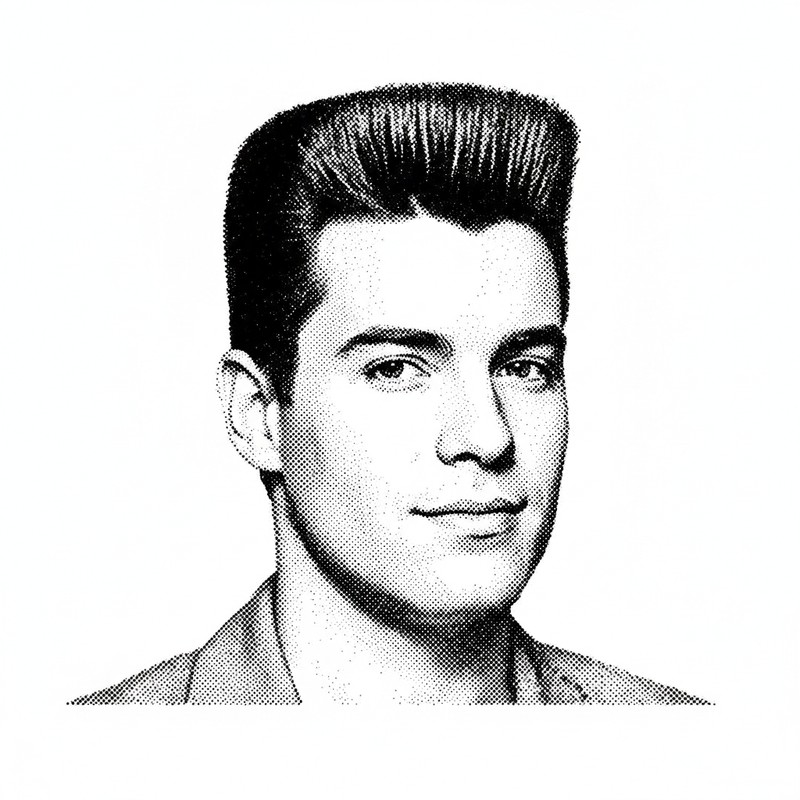
Case File #VI-2026-0225. Subject: Robert Matthew Van Winkle, operating under the professional alias “Vanilla Ice.” Filed under: Entertainers, Rap; Fabricated Biographies; Individuals Whose Cultural Standing Was Revoked Before This Board Existed to Formalize the Process.
The Board of Review has opened a formal evaluation into the N-Word Pass eligibility of Robert Matthew Van Winkle. In 1990, Van Winkle rode “Ice Ice Baby” from local Dallas talent shows to the top of the Billboard Hot 100, becoming the first hip-hop single to reach number one on that chart. Shortly thereafter, he became a cautionary tale about what happens when authenticity runs out and the receipts get checked.
Born October 31, 1967, in South Dallas, Rob Van Winkle’s early biography is a contested document. He claimed to have grown up in the rough Miami neighborhoods that produced 2 Live Crew, attended the same high school as Luther Campbell, and survived gang-related stabbings. Journalists later discovered he actually grew up in a middle-class Dallas suburb, attended R.L. Turner High School in Carrollton, Texas, and had a considerably more comfortable upbringing than his press materials suggested. The gap between his marketed backstory and his actual biography became one of the defining scandals of early-nineties pop culture.
Before the fact-checking arrived, though, the music moved. “Ice Ice Baby,” built on a sample of Queen and David Bowie’s “Under Pressure” (initially uncredited, leading to a lawsuit and settlement), debuted in 1990 and sold over fifteen million copies worldwide. The song was inescapable. It played at school dances, roller rinks, and car washes across America. His debut album, To the Extreme, went seven-times platinum. He starred in the universally panned film Cool as Ice (1991), which earned back roughly one-tenth of its budget and provided future podcast hosts with an inexhaustible supply of ironic clips.
The backlash came fast and stayed forever. When reporters exposed the fabricated biography, hip-hop’s credibility gatekeepers responded with ruthless mockery. Suge Knight allegedly dangled Van Winkle off a hotel balcony (a story both parties have told conflicting versions of). MC Hammer, himself a pop-rap crossover act, distanced himself. Black hip-hop artists who had initially tolerated Vanilla Ice’s presence recoiled. The consensus crystallized: this man was a fraud who had borrowed Black art, lied about his proximity to Black life, and profited enormously before anyone checked the paperwork.
Van Winkle spent the late nineties and 2000s attempting various reinventions. He tried nu-metal with the album Hard to Swallow (1998). He became a house-flipper on the DIY Network show The Vanilla Ice Project (2010 to present). He appeared on reality competition shows, performed at nostalgia concerts, and generally settled into the comfortable lane of a former pop star who accepts his legacy with a mix of humor and defensiveness. In interviews, he alternates between insisting his love for hip-hop was always genuine and acknowledging that his early career was mismanaged by people who prioritized sales over credibility.
The N-word question, in Vanilla Ice’s case, is almost academic. His relationship to hip-hop is so fraught, so historically loaded, and so thoroughly debunked that the evaluation feels like reviewing a passport application from someone who has already been deported. But thoroughness is the Board’s mandate, so let’s proceed.
Cultural Context and Historical Background
Vanilla Ice arrived at a specific and volatile moment in hip-hop history. The late 1980s and early 1990s were the genre’s adolescence: old enough to have developed a clear identity, young enough to feel threatened by outside appropriation. NWA had just released Straight Outta Compton. Public Enemy was rewiring political consciousness through boom-bap. De La Soul was expanding the genre’s aesthetic boundaries. Hip-hop knew what it was, and it was fiercely protective of its borders.
Into that environment walked a white man from suburban Texas with a fabricated Miami backstory, an uncredited Queen sample, and a record label (SBK Records) that marketed him like a pop star rather than a rapper. The culture’s immune response was immediate and severe. Vanilla Ice became the template for everything hip-hop feared about white appropriation: a non-Black person who extracted the commercial value of Black art while contributing nothing to the community that created it.
The “N-word pass” framework barely applies here in any traditional sense. The pass, as our evaluation methodology defines it, requires demonstrated trust between the applicant and the Black community. Vanilla Ice never established that trust. He manufactured a false proximity, profited from it, and was exposed. The betrayal was not linguistic (there are no prominent recordings of Van Winkle using the N-word on record). It was structural. He lied about who he was to gain access to a culture that values honesty above almost everything else.
That structural betrayal echoes across decades. Every subsequent white rapper has had to answer for Vanilla Ice, whether fairly or not. Eminem built his entire career as an implicit rebuttal: here is a white rapper who is actually from the streets he claims, who actually earned his respect in battle circuits, who actually lives the life his lyrics describe. The fact that Eminem’s authenticity needed to be so aggressively proven tells you how deep the Vanilla Ice wound cut.
The Case For
”Ice Ice Baby” Introduced Hip-Hop to New Audiences
For all its problems, “Ice Ice Baby” was the first hip-hop single to reach number one on the Billboard Hot 100. It brought rap music into suburban living rooms, school dances, and radio stations that had previously refused to play the genre. Some hip-hop historians argue that this commercial breakthrough, however accidental and however fraudulently achieved, helped pave the way for the genre’s eventual mainstream dominance. The rising tide argument has limits, but it is not entirely without merit.
Longevity Suggests Genuine Attachment to the Culture
Van Winkle has never fully abandoned hip-hop. Thirty-five years after “Ice Ice Baby,” he still performs, still raps, and still identifies as a hip-hop artist. A pure opportunist would have moved on decades ago. His persistence, even in the face of relentless mockery, suggests that his connection to the music is at least partially genuine, even if his original marketing was not.
He Has Acknowledged His Mistakes (Sometimes)
In various interviews over the years, Vanilla Ice has admitted that his early career was mishandled, that the fabricated biography was wrong, and that he understands why hip-hop rejected him. These admissions are inconsistent (in other interviews he reverts to defensive postures), but they exist. Partial accountability is more than some applicants offer.
The Industry Bears Significant Blame
SBK Records, his management team, and the broader music industry machinery constructed the false narrative that destroyed his credibility. Van Winkle was twenty-two years old when “Ice Ice Baby” exploded. The adults in the room, the label executives and managers who fabricated his backstory, bear substantial responsibility for the fraud. Evaluating Rob Van Winkle without acknowledging the system that created Vanilla Ice is incomplete.
The Case Against
The Fabricated Backstory Is Disqualifying
Hip-hop’s first commandment is authenticity. Vanilla Ice violated it at the most fundamental level by lying about where he came from, who he grew up with, and what he experienced. He claimed proximity to Black life that he did not have. He manufactured a struggle narrative from suburban comfort. In a genre where your word is your bond, he broke his word before anyone knew his name. This single fact would be sufficient for denial even if every other factor favored him.
He Profited Enormously While Contributing Nothing Back
Fifteen million records sold. Film deals. Television appearances. Decades of nostalgia touring revenue. The financial extraction from Black art has been substantial, and the documented reinvestment in Black communities is effectively zero. No scholarships, no community programs, no sustained philanthropy directed at the culture that made him rich. The ledger is entirely one-directional.
The Uncredited Sample Set a Terrible Precedent
“Ice Ice Baby” was built on a Queen and David Bowie sample that Van Winkle initially denied using, famously claiming his version had an additional note. He was eventually forced to credit the sample and pay royalties. While sample disputes are common in hip-hop, the combination of theft and denial reinforced the narrative that Vanilla Ice took what he wanted without regard for credit or compensation. In hip-hop, that pattern has a specific and unflattering name.
His Legacy Actively Harmed Subsequent White Artists in Hip-Hop
The Vanilla Ice backlash made the path harder for every white artist who followed. Eminem had to prove his authenticity at every turn, in part because Vanilla Ice had proven that white rappers could not be trusted at face value. The Beastie Boys, who had built genuine credibility before “Ice Ice Baby,” found themselves re-evaluated in its wake. Van Winkle’s fraud poisoned the well, and the residue persists.
No Meaningful Peer Endorsement From Black Hip-Hop Community
Unlike every approved applicant in our catalog, Vanilla Ice lacks a co-sign from any significant Black hip-hop figure. No Dre mentorship. No Chappelle endorsement. No consistent collaboration with respected Black artists. His isolation within the genre is nearly total, and has been for over three decades.
Deeper Analysis
Vanilla Ice is hip-hop’s original sin of white appropriation, the case study that every subsequent debate references and every subsequent white artist must answer for. His story illustrates what happens when the industry’s profit machinery overrides every cultural safeguard the genre built to protect itself.
The fabricated backstory is the core of the problem. Hip-hop has always been willing to welcome outsiders who come correct. The Beastie Boys transitioned from punk to rap with genuine skill and visible humility. 3rd Bass built credibility through lyrical ability and Black collaboration. The door was never locked. But it had a condition: tell the truth about who you are. Vanilla Ice failed that condition at the threshold, and everything that followed was colored by that initial deception.
There is a version of this story where Rob Van Winkle, suburban Texan who genuinely loved hip-hop, entered the genre honestly, acknowledged his background, and let his music speak for itself. That version might have produced a career with less initial commercial explosion but more sustained credibility. Instead, the industry chose the lie, and the culture chose never to forget it.
The nostalgia circuit has been kind to Vanilla Ice in a superficial sense. He sells tickets. People sing along to “Ice Ice Baby” at county fairs and cruise ship decks. But that nostalgia is ironic, not respectful. The audience is laughing with the memory, not honoring the artist. Van Winkle seems to understand this, and his willingness to play the role of hip-hop’s class clown has kept him employed. But employment and respect are different currencies, and only one of them is relevant to this evaluation.
Comparing his case to Chet Hanks (also denied) is instructive. Both are white men who engaged with Black culture in ways the culture found inauthentic. But Chet’s sins are primarily aesthetic (patois as costume) while Vanilla Ice’s sins are structural (fabricated identity). The structural violation is more severe because it strikes at the foundation of trust that any cultural exchange requires.
Official Verdict
DENIED. Vanilla Ice does not receive the Official N-Word Pass.
This evaluation was, frankly, a formality. Rob Van Winkle built his career on a lie about his proximity to Black life, profited enormously from Black art without meaningful reciprocity, and has spent three decades occupying a position in hip-hop culture that falls somewhere between cautionary tale and comic relief. The fabricated backstory alone would be sufficient for denial. The absence of community investment, peer endorsement, or sustained accountability confirms it.
The Board acknowledges that Van Winkle was young when the machinery of fraud was constructed around him, and that the industry bears significant blame for the deception. We also acknowledge that his continued attachment to hip-hop, however commercially motivated, suggests a genuine affection for the music. These factors soften the evaluation’s tone without changing its outcome.
The application is denied. The file is closed.