Introduction
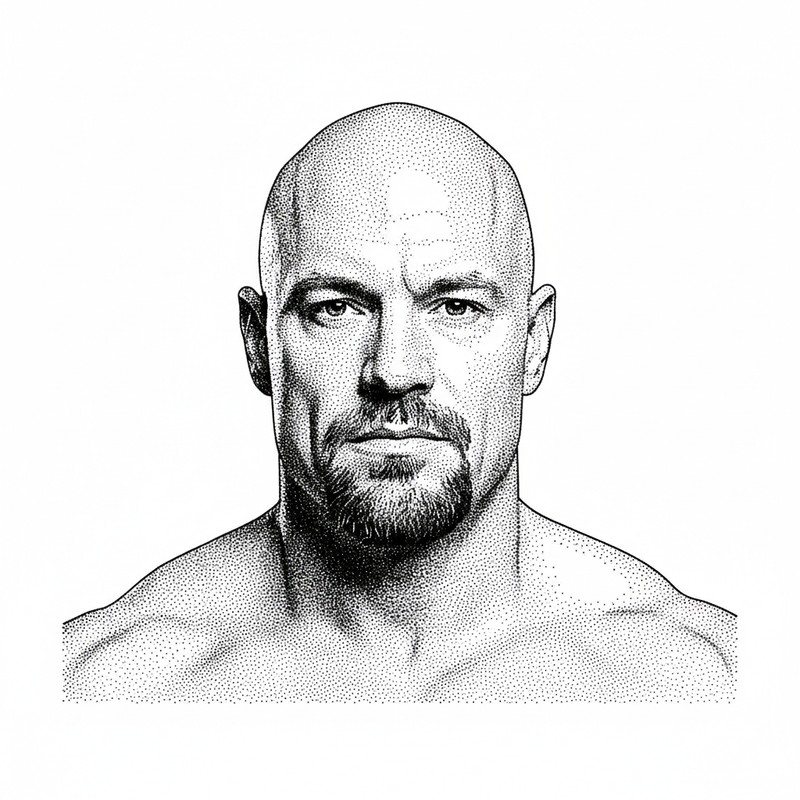
The Board of Review has been asked, with increasing frequency and decreasing patience from the public, to render a formal opinion on Joseph James Rogan. Born August 11, 1967, in Newark, New Jersey, Mr. Rogan has cycled through more career identities than most people cycle through hairstyles. Stand-up comedian. Taekwondo commentator. Television actor on the sitcom NewsRadio. Host of Fear Factor, a show in which contestants ate animal organs for money. UFC color commentator. And, most consequentially for our purposes, host of The Joe Rogan Experience, a podcast that by some estimates reaches more American ears per episode than most cable news networks reach per week.
It is this last role that brings Mr. Rogan before the Board. In February 2022, a compilation video surfaced online containing approximately two dozen instances of Rogan using the N-word across various podcast episodes spanning more than a decade. The clips were not taken out of context in the way that phrase is typically deployed as a defense. In several instances, Rogan used the word while discussing its use by others. In other instances, he used it more casually, including in an anecdote where he compared a Black neighborhood to the movie Planet of the Apes. The supercut went viral. Spotify, which had signed Rogan to an exclusive licensing deal reportedly worth $200 million, found itself fielding calls from artists like India.Arie and Neil Young who threatened to (and did) remove their music from the platform in protest.
Rogan posted an apology video. He called the supercut “the most regretful and shameful thing I’ve ever had to talk about publicly.” He described his use of the word as a mistake and stated he had not used it in years. The apology was generally regarded as more sincere than the average celebrity contrition video, though critics noted that sincerity and accountability are not the same thing.
The Board’s task is to evaluate whether Mr. Rogan’s relationship with Black culture, his public conduct, his professional associations, and his response to controversy meet the threshold for N-Word Pass issuance. We approach this task with the same rigor we apply to all applicants. For reference on how the Board handles media figures, see our evaluation of Bill Burr, another comedian who navigates racial comedy with considerably different results.
Cultural Context
Joe Rogan occupies a peculiar position in American media. He is not a journalist, though he interviews newsmakers. He is not a politician, though his endorsements move polls. He is not a musician, though he operates within the entertainment industry. He is, fundamentally, a conversationalist, and his conversations reach an audience so large that his casual remarks carry the cultural weight of policy statements.
This reach is relevant because the N-word, when spoken by a white man with the largest podcast audience on Earth, does not simply hang in the air between two microphones. It radiates outward into millions of earbuds, car speakers, and gym headphones. The word’s historical payload (slavery, lynching, Jim Crow, mass incarceration) does not diminish because the speaker is wearing a headset in a studio decorated with elk antlers and float tank brochures.
The “N-word pass” concept, as outlined on our about page, is rooted in communal trust. It originates from informal agreements within friend groups where a non-Black individual has demonstrated such consistent solidarity, respect, and shared experience that the community extends a form of linguistic permission. The key ingredients are intimacy, reciprocity, and a demonstrated willingness to bear some portion of the cultural weight that comes with the word.
Rogan’s case is unusual because his N-word usage was not an attempt to claim proximity to Black culture or to perform Blackness. He was not rapping. He was not quoting lyrics. In most instances, he was discussing the word as a concept, sometimes clumsily, sometimes offensively, but generally within the context of conversation rather than performance. This distinction matters, though it does not resolve the issue. Using the word repeatedly over many years, even in discussion, reflects a comfort level that the Board finds concerning in a public figure of his influence.
The Case For
Genuine Friendships With Black Comedians and Fighters
Rogan’s inner circle includes several prominent Black figures who have publicly defended him. Dave Chappelle, arguably the most important living stand-up comedian, called Rogan “a good friend” and stated that the supercut did not reflect the man he knows. UFC fighters like Jon Jones and Daniel Cormier have expressed similar sentiments. Kevin Hart, Mike Tyson, and numerous Black podcast guests have appeared on the show and spoken warmly of Rogan’s character. These are not transactional relationships. Many predate Rogan’s current level of fame and influence.
The Apology Was Substantive
Rogan’s response to the supercut was notably different from the standard celebrity apology template. He did not blame editing. He did not claim the clips were taken out of context (though some arguably were). He accepted responsibility, expressed genuine shame, and committed to not using the word going forward. The Board has reviewed hundreds of celebrity apologies, and Rogan’s ranks in the upper tier of apparent sincerity.
He Platforms Black Voices Regularly
The Joe Rogan Experience has hosted hundreds of Black guests across comedy, sports, science, politics, and entertainment. These conversations are typically long-form (three hours or more), substantive, and respectful. Rogan listens more than he lectures in these episodes, and his audience of millions is exposed to perspectives they might not otherwise encounter. The platforming function of his show has genuine cultural value.
Financial Support for Black-Led Organizations
Following the 2020 racial justice protests, Rogan donated to several organizations focused on criminal justice reform and community development. While the specific amounts have not been publicly disclosed, multiple organizations confirmed receiving contributions. The Board notes that financial support, while not sufficient on its own, is a relevant data point.
The Case Against
Two Dozen Documented Instances Is Not a Slip
A single instance of using the N-word might be classified as a slip, a lapse in judgment, a moment of carelessness. Two dozen instances spanning more than a decade constitute a pattern. Patterns reflect comfort, and comfort with this word in the mouth of a white man with the largest podcast audience in America is precisely the kind of normalized usage that erodes the communal boundaries Black people have built around the term. The sheer volume of documented instances is the single most damaging element of Rogan’s case.
The Planet of the Apes Comparison Was Not Academic
Among the clips in the supercut, one stands out for its raw offensiveness. Rogan described entering a Black neighborhood and comparing the experience to being in Planet of the Apes. He then laughed. This was not a discussion of linguistics or social taboos. It was a dehumanizing comparison delivered as comedy. The Board finds this particular incident exceptionally difficult to reconcile with pass issuance, regardless of the context surrounding the other clips.
Platform Amplification of Problematic Voices
While Rogan has hosted many Black guests, he has also provided extended, largely unchallenged platforms to figures associated with white nationalist movements, race science proponents, and conspiracy theorists whose ideologies directly harm Black communities. The Board recognizes that a conversational podcast will feature a range of viewpoints, but the pattern of gentle treatment toward guests with anti-Black ideologies undermines claims of allyship.
Apology Without Structural Change
Rogan apologized for his language but did not announce any structural commitments: no scholarship funds, no dedicated support for Black media creators, no partnership with racial justice organizations. An apology is a statement of regret. Accountability requires action. The Board has seen this gap in many applications and consistently weighs it against the applicant.
The Spotify Deal Insulated Him From Consequences
In most professional contexts, a white employee caught on video using the N-word two dozen times would face termination. Rogan’s $200 million deal with Spotify made him essentially un-fireable. The company removed approximately 70 episodes from the archive but maintained the partnership. This insulation from professional consequences creates a troubling precedent: sufficient commercial value can override accountability. The Board does not hold this against Rogan personally, but it notes that the absence of real consequences can inhibit the kind of genuine reckoning that pass consideration requires.
Deeper Analysis
The Joe Rogan case illuminates a tension that runs through many of the Board’s evaluations: the gap between private relationships and public impact. By all accounts, Rogan’s personal relationships with Black individuals are genuine, warm, and reciprocal. His Black friends defend him. His Black colleagues respect him. In the private sphere, he may very well be the good-hearted, open-minded person that Dave Chappelle describes.
But the N-Word Pass does not operate exclusively in the private sphere. It exists at the intersection of personal conduct and public influence. And in the public sphere, Rogan’s documented pattern of usage, his platforming of problematic voices, and his insulation from meaningful consequences create a profile that the Board cannot endorse.
There is also the matter of audience. Rogan’s listeners number in the tens of millions, skewing young and male. When a figure of that influence uses the N-word casually over a period of years, it normalizes the usage for an audience that may lack the contextual understanding to distinguish between academic discussion and casual deployment. The ripple effects of that normalization are impossible to quantify but unwise to ignore.
The Board has observed that comedians, as a class of applicants, often argue that comedy requires the freedom to use any word in any context. This argument has merit in the abstract. Comedy does require risk, transgression, and a willingness to explore uncomfortable territory. But the N-Word Pass is not a comedy license. It is a cultural credential, and cultural credentials are earned through sustained relationship, not through the invocation of artistic freedom as a blanket defense. Compare Rogan’s case with Bill Burr’s, where the comedian’s approach to racial material demonstrates a meaningfully different balance of risk and respect.
Official Verdict
DENIED. The Board has determined that Joe Rogan does not qualify for the Official N-Word Pass. The volume of documented usage over a sustained period is disqualifying on its own. The Planet of the Apes comparison compounds the issue significantly. While Rogan’s personal relationships with Black individuals are genuine, his apology was more sincere than most, and his podcast does platform Black voices, these factors do not overcome the fundamental problem: a white man with the largest audio platform in America used the N-word dozens of times on the record, and the structural response was the removal of a few episodes from an archive rather than any meaningful reckoning.
Mr. Rogan is not the worst applicant the Board has reviewed. His case is not one of malice but of carelessness, and carelessness with this particular word, at this particular scale, produces harm that good intentions cannot neutralize. The application is denied. The Board encourages Mr. Rogan to continue the personal growth he described in his apology and to consider converting that growth into tangible, sustained investment in the communities most affected by casual deployment of the word he used so freely for so long.