Introduction
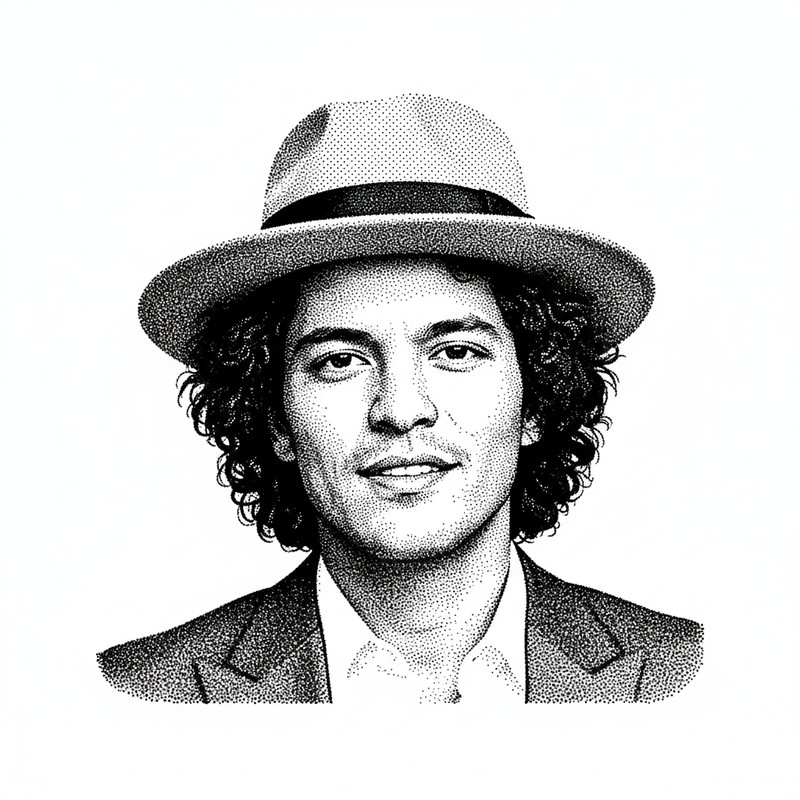
The Board of Review now addresses the case of Peter Gene Hernandez, known globally as Bruno Mars, a Filipino-Puerto Rican performer from Honolulu whose career has been built almost entirely on the musical traditions of Black America. This is not an accusation. It is a description. And the distinction between those two things is precisely what this evaluation is designed to examine.
Bruno Mars was performing before he could read. Born October 8, 1985, to a Puerto Rican percussionist father and a Filipino singer mother, he grew up in a household where music was not a hobby but an economic necessity. The Hernandez family operated a Motown revue at the Waikiki Beachcomber’s dinner show, and by age six, Bruno was the headline attraction: a child in a white jumpsuit doing Elvis impressions and James Brown splits for tourists and local aunties. Those gigs paid grocery bills. Recess was rehearsal time. While classmates traded collectible cards, Bruno traded chord progressions and studied cassette tapes of Prince, The Isley Brothers, and The Stylistics until every bass slide was committed to muscle memory.
After high school, he left Honolulu for Los Angeles with thrift-store blazers, a notebook of melodies, and the kind of optimism that survives on fumes. Record labels told him his style was too retro and his name too ethnic. Instead of abandoning either, he pivoted to songwriting, penning hooks for Flo Rida’s “Right Round” and K’naan’s “Wavin’ Flag.” The royalty checks bought studio time for his own demos.
Then 2010 happened. Doo-Wops & Hooligans produced “Just the Way You Are,” a song that melted radio playlists and wedding reception speakers simultaneously. Critics predicted a career of schmaltzy ballads. Bruno responded by diving headfirst into funk, soul, and New Jack Swing. Unorthodox Jukebox fused disco shimmer with reggae grooves. 24K Magic sounded like the loudest block party James Brown never threw, complete with talk-box riffs, slap bass, and choreography that got Super Bowl audiences out of their seats. The Silk Sonic project with Anderson .Paak pushed the envelope further into vintage R&B territory, earning Grammys and, inevitably, more debate.
That debate is what brings Bruno before this Board. His crown jewels, the silky falsetto, horn-stab hooks, and syncopated dance breaks, are heirlooms from Black music’s lineage. He names his teachers on live microphones: Little Richard, Prince, Jimmy Jam, Terry Lewis. He fills tour buses with Black musicians who play like the Meters reincarnated. But some listeners ask whether love can coexist with profit imbalance. Does radio embrace Bruno’s funk because of his artistry, or because his lighter complexion feels algorithmically safe? Does homage become something else when Grammys accumulate and the genre’s originators watch from further back in the room?
The Board’s task is to evaluate whether Bruno Mars, after years of apprenticeship, credit-giving, and cultural participation, qualifies for the Official N-Word Pass. We proceed methodically.
Cultural Context
The N-word originated as a tool of dehumanization, applied to Black people as a linguistic extension of the systems that enslaved them. Over generations, Black communities reshaped a variant into an internal term of familiarity and solidarity. Even in its reclaimed form, the word remains closely guarded. It is not available for checkout at the cultural library.
The “N-word pass” concept emerged in late-1990s hip-hop message boards as a thought experiment wrapped in a joke: could a non-Black person be so deeply embedded in Black culture that occasional verbal leniency might be extended? The idea was always more comedy bit than social contract, but meme culture turned it into printable cards and Twitch auction items, which is exactly the kind of commodification that our Official N-Word Pass was built to interrogate.
Music sits at the center of this evaluation. Black art has historically invited global collaborators. Afro-Latin rhythms fertilized jazz. Jamaican sound systems created the conditions for hip-hop. British rockers riffed on Chicago blues. When the exchange is healthy, it operates on credit, reciprocity, and equity. When it is unhealthy, systemic bias amplifies some voices while muting the originators. The difference between celebration and extraction often comes down to who gets paid, who gets credited, and who gets the Grammy.
Bruno Mars operates directly in this current. He built his entire musical identity on Black genres, studying them not as a casual listener but as a lifelong student. He has never claimed to have invented funk or soul. He calls himself a torch-carrier. Barbershop consensus generally supports his musicianship and stagecraft. But think pieces surface reliably whenever award shows crown him in categories where Black artists doing more contemporary work leave empty-handed. The Board has reviewed these arguments and finds them relevant to the evaluation, as similar dynamics were examined in our assessments of Post Malone and Justin Timberlake.
The Case For
Apprenticeship Under Black Mentors
After extensive evaluation, the Board confirms that Bruno Mars did not learn Prince riffs from YouTube tutorials. He rehearsed with Morris Day of The Time. He traded stage notes with Charlie Wilson backstage at festivals. He studied under and alongside Black musicians who publicly vouch for his dedication. When Morris Day says the kid put in the work, the Board takes that testimony seriously. These are not casual endorsements from celebrities being polite at an awards show after-party. They are professional assessments from practitioners of the tradition Bruno claims to honor.
Proactive Royalty and Credit Sharing
On “Uptown Funk,” Bruno insisted that Mark Ronson list the Gap Band as co-writers after listeners identified melodic similarities. This decision funneled royalties to elder statesmen of funk before any lawsuit could be filed. The distinction matters: Bruno did not wait to be sued into crediting Black artists. He identified the debt himself and structured the financial arrangement accordingly. Based on the established criteria for evaluating cultural reciprocity, this is one of the strongest data points in the Board’s records across all celebrity evaluations.
Employment Practices
Bruno’s touring band, the Hooligans, features Black instrumentalists, arrangers, and background vocalists who share spotlight time during televised performances. The paychecks circulate within the communities that created the music Bruno performs. This is not symbolic inclusion. It is an employment structure that directs revenue toward the culture’s practitioners. The Board values hiring decisions as a form of reciprocity that is more concrete than public statements.
Charitable Investment in Black Communities
Bruno donated one million dollars to Flint water relief. He has quietly funded after-school music programs in Harlem and Compton. These contributions extend his respect beyond studio walls and concert stages into the material conditions of Black community life. The Board notes that the Flint donation was public, while several other contributions were not, suggesting a pattern of giving that is not primarily motivated by publicity.
Linguistic and Behavioral Restraint
Despite performing in genres where the N-word has historical presence, Bruno omits it from his stage performances and recordings. This restraint demonstrates an understanding that affection for a culture is not the same as entitlement to all of its expressions. The Board has consistently weighed this factor favorably, including in the evaluations of Bill Burr and Eminem.
The Case Against
Market Advantages Linked to Racial Ambiguity
Radio stations frequently categorize Bruno under pop playlists, granting him spin ratios that are not available to Black funk revivalists like Thundercat or Vulfpeck’s Black collaborators. Industry comfort zones and algorithmic biases tend to favor artists whose racial presentation reads as “mainstream” to programming directors. Bruno did not create this system, but he benefits from it. The Board considers systemic advantage a relevant factor even when the beneficiary did not request or design the advantage.
Nostalgia Without Political Content
The original funk movement was inseparable from political commentary. Parliament-Funkadelic, James Brown, Sly and the Family Stone: these artists embedded social critique in their grooves. Bruno’s catalog, by contrast, largely celebrates champagne fountains and designer wardrobes. The music is technically accomplished and genuinely enjoyable, but it sidesteps the protest tradition that gave the genre its moral weight. Some critics argue that safe nostalgia wins industry approval over boundary-pushing Black storytelling, and Bruno’s Grammy sweep over artists like Kendrick Lamar gave that argument significant traction.
Award Show Dynamics
The 2018 Grammy sweep, in which Bruno’s 24K Magic won Album, Record, and Song of the Year over Kendrick Lamar’s DAMN., generated substantial backlash. The Board does not hold Bruno responsible for the Recording Academy’s voting patterns. However, the optics of a non-Black artist repeatedly winning in genres pioneered by Black artists reinforces a historical pattern that the Board cannot ignore. The pattern predates Bruno and will outlast him, but his position within it is relevant to this evaluation.
Commercial Partnerships Over Advocacy
Bruno’s public-facing partnerships are weighted toward luxury brands and spirits companies rather than social justice organizations or community advocacy groups. Some members of the Board’s advisory network have suggested that an artist with Bruno’s platform could direct the same promotional energy he gives to rum cocktails toward voter registration drives or racial justice fundraising. The Board notes this as an area of potential growth rather than a disqualifying deficit.
Deflection in Appropriation Interviews
When pressed about cultural appropriation in media interviews, Bruno has tended to respond with lighthearted gratitude and redirection rather than substantive engagement with the critique. The Board understands that media training often produces this kind of deflection, and that a 90-second interview segment is not an ideal venue for nuanced cultural analysis. But the pattern, across multiple interviews over several years, suggests an avoidance of the conversation rather than a comfort with it.
Deeper Analysis
Culture, as the Board has noted in numerous evaluations, functions like a quilt: each patch tells a story of survival, stitched by ancestors who sang through hardship. When newcomers borrow patterns, community elders check whether the new squares honor the originals or merely replicate their appearance.
Bruno Mars passes many of those checks. He cites his influences by name. He hires within the tradition. He redirects royalties to overlooked writers. He built Silk Sonic with Anderson .Paak, a Black artist, as a full creative partner rather than a featured guest. That pattern of collaboration distinguishes what Bruno does from extraction. Extraction takes the sound and discards the people. Bruno keeps the people in the room and on the payroll.
Yet equity requires more than credit and paychecks. Systemic biases continue to funnel streaming bonuses, festival headline slots, and radio play toward artists whose presentation is tagged “mainstream friendly” by industry algorithms. Bruno benefits from that pipeline even as he venerates its source material. Awareness of the pipeline is not the same as dismantling it, but the Board recognizes that dismantling industry infrastructure is not reasonably within a single artist’s capacity. What is within his capacity is proportional activism: using the platform that the pipeline created to advocate for the communities that the pipeline underserves.
Bruno edges toward that threshold with each scholarship donation, each stage shared with Anderson .Paak, each televised acknowledgment of Bootsy Collins or Charlie Wilson. The trajectory is positive. The question is whether the current position is sufficient. The Board finds that it is, with the caveat that community trust is not a lifetime subscription. It renews through continued action.
Official Verdict: APPROVED
Our Board of Review has determined that Bruno Mars receives the Official N-Word Pass, issued with recognition of his lifelong apprenticeship and ongoing obligations.
The approval rests on documented mentorship under Black artists who publicly endorse his dedication, proactive royalty-sharing that directed revenue to the genre’s originators before legal pressure required it, employment practices that keep Black musicians on payroll and in the spotlight, charitable giving to Black communities, and consistent restraint regarding the word itself.
The pass arrives, Bruno, with a standing reminder from this Board: keep honoring the lineage. Keep hiring from within the tradition. Keep sharing stages and credits with the artists whose work made yours possible. A pass is not a trophy to display. It is a responsibility to maintain. The next generation of funk, soul, and R&B artists is watching how you carry it.