Introduction
Every day, thousands of people type “N-Word Pass generator” into a search engine and expect the internet to produce something useful. What they find is a constellation of websites, image tools, and meme templates that promise to generate a personalized N-Word Pass at the click of a button. Some are basic text-on-image tools. Some have form fields where you enter your name and receive a “certificate.” A few ambitious ones include fake serial numbers and expiration dates.
All of them are unauthorized. None of them are affiliated with The Official N-Word Pass. And none of them do what the searcher actually wants, which is to obtain some form of legitimate cultural permission through a website input field.
We are about to explain why, and in the process, we are going to walk through the entire ecosystem of unofficial N-Word Pass generators: what they are, who makes them, why they exist, and why they fail at the one thing people want them to do. Consider this the definitive briefing from the only organization that holds a registered trademark on the N-Word Pass.
What Is an N-Word Pass Generator?
An N-Word Pass generator is typically a web-based tool or downloadable template that produces a personalized image resembling an N-Word Pass card, certificate, or document. The user enters their name (and sometimes additional details like an “expiration date” or “issuing authority”), clicks a button, and receives a generated image they can save, share, or print.
The generators range in sophistication from embarrassingly crude (white text on black background, no design effort whatsoever) to surprisingly polished (custom fonts, holographic effects, fake watermarks). The more elaborate ones clearly required actual graphic design work, which means someone sat down at Adobe Illustrator and decided that this was how they wanted to spend their Tuesday.
These tools exist across the internet: standalone websites, mobile apps, Discord bots, and social media accounts that generate passes on request. The format has been endlessly remixed. We have seen generators themed around specific games, anime franchises, political figures, and at least one that required you to answer a quiz about Black history before issuing your pass (points for effort, but still unauthorized).
Why People Search for Them
The search query “N-Word Pass generator” reveals something interesting about how people process cultural concepts through the lens of internet tools. The N-Word Pass meme has been so widely circulated that many searchers treat it as a digital commodity, something that can be created, distributed, and consumed like any other piece of online content.
This framing makes sense if you have grown up in an internet ecosystem where everything has a generator. There are meme generators, resume generators, avatar generators, band name generators, and excuse generators. The logic extends naturally: if N-Word Passes exist as images online, surely there is a tool that makes them.
The issue is that the N-Word Pass, even in its most meme-ified form, refers to something that cannot be generated by software. The concept originates in trust between human beings. A tool that produces an image of a card does not replicate, replace, or approximate that trust. It just makes a picture.
But the internet does not always distinguish between an image of a thing and the thing itself. That confusion drives the search volume, and the search volume drives the creation of more generators, and the cycle continues.
The Trademark Problem
Here is where we transition from cultural commentary to intellectual property law, a sentence we never expected to write when this project started.
The Official N-Word Pass is a registered trademark. We hold it. This means that any product, service, or tool that uses the phrase “N-Word Pass” in a commercial or brand-identifying context without our authorization is potentially infringing on our trademark.
Most generators operate in a gray area. Many are free tools hosted on personal websites, which complicates enforcement. Others are embedded in apps or platforms that monetize through ads, which brings them closer to commercial use. A few have attempted to sell generated passes, which is the clearest case of infringement.
We are not in the business of sending cease-and-desist letters to every teenager with a Canva account. The meme ecosystem is vast, and attempting to control every iteration would be both impractical and antithetical to the spirit of the project. But we do want to be clear: the Official N-Word Pass is ours. The trademark exists. Generators that present themselves as producing “official” or “legitimate” passes are misrepresenting their product.
If you downloaded a generated pass from a random website, you have a picture. If you purchased one from our shop (when it was in stock), you have the real thing. The difference matters, at least within the framework of this satirical universe we have built.
A Brief History of Pass Generation
The earliest N-Word Pass generators appeared around 2017, coinciding with the meme’s peak virality. They were simple: a static template with a text field for the user’s name. The output was a JPEG that looked like it was made in Microsoft Paint, because it was.
By 2019, the format had evolved. Generators started incorporating dynamic elements: randomized serial numbers, QR codes that linked to Rick Astley videos, and “expiration dates” set to absurd years like 2099. The design quality improved as meme culture attracted actual designers who saw the format as a creative challenge.
The app store era brought N-Word Pass generators to mobile devices. Several apps appeared on both iOS and Android, most of which were quickly removed for violating platform content policies. A few survived by framing themselves as “joke” or “prank” apps, a defense that works exactly as well as you think it does.
Discord bots represented the next evolution. Users could type a command in a server, and a bot would generate a personalized pass image in the chat. These bots spread rapidly through gaming communities, where the N-Word Pass meme had particularly strong traction.
Today, AI image generators have added another layer. Users prompt tools to create “realistic N-Word Pass cards,” and the results are sometimes disturbingly convincing. The line between obvious meme and plausible forgery has blurred, raising questions about what happens when satirical objects become indistinguishable from real ones (a question that applies to our project as well, which is why we address it directly on our About page).
What Generators Get Wrong
Beyond the trademark issue, unofficial generators fundamentally misunderstand what the N-Word Pass represents, even as satire. Here is what they get wrong.
They Skip the Conversation
The entire point of the N-Word Pass, whether as cultural concept or satirical product, is to generate dialogue about race, language, and trust. A generator that produces a pass in three seconds with no context, no analysis, and no engagement skips the only part that matters. You get a card. You miss the point.
Our evaluations (like our assessments of Eminem or Kim Kardashian) run thousands of words each because the conversation is the product. The card is just the packaging. A generator gives you the packaging with nothing inside.
They Democratize Without Criteria
Our evaluation process considers cultural contribution, community trust, accountability, reciprocity, and contextual awareness. Generators consider whether you can type your name into a text field. The bar is different.
The democratic nature of generators (anyone can get one, instantly, for free) undermines the concept they are based on. The N-Word Pass, even as a joke, implies that some people have earned trust and others have not. A tool that gives passes to everyone makes the same statement as a tool that gives passes to no one. Both are meaningless.
They Flatten the Satire
Our project works because it maintains a specific tone: deadpan bureaucratic seriousness applied to an inherently absurd premise. The tension between the official presentation and the ridiculous subject matter is what makes it funny and thought-provoking.
Generators reduce that layered satire to a single output: a picture of a card. No context, no irony, no self-awareness. The result is not satire. It is just an image that some people will take at face value, which defeats the purpose entirely.
They Create a False Sense of Permission
This is the most concerning issue. Some users genuinely believe that generating an N-Word Pass image constitutes receiving permission. They share the generated image as if it were a credential, referencing it in online discussions or (reportedly) real-life conversations as evidence that they are “allowed” to use the word.
This is, to be clear, not how anything works. A generated image has no authority, no cultural weight, and no connection to the trust-based dynamics that the N-Word Pass concept refers to. Treating it as a real permission slip demonstrates exactly the kind of contextual ignorance that would disqualify someone from receiving an actual pass (if such a thing existed, which it does in exactly the complicated way we describe in our article on whether the N-Word Pass exists).
The Meme Ecosystem
To be fair to the generators, they exist within a broader meme ecosystem that treats the N-Word Pass as creative raw material. This ecosystem includes:
Image macros where characters from films, games, and anime “grant” or “revoke” passes. Video content where creators perform elaborate “pass ceremonies.” Social media accounts dedicated entirely to N-Word Pass content. Fan art, animations, and even songs about the pass.
The ecosystem is vast, creative, and almost entirely unauthorized. It also serves a legitimate cultural function: it keeps the conversation about race and language alive in spaces (gaming communities, meme forums, social media) where traditional commentary might not reach.
We do not oppose the meme ecosystem. Our project grew out of it, and we continue to exist within it. But there is a difference between participating in a cultural conversation through memes and operating a tool that implies it can produce something official. The former is creative expression. The latter is, at best, misleading.
What We Do Differently
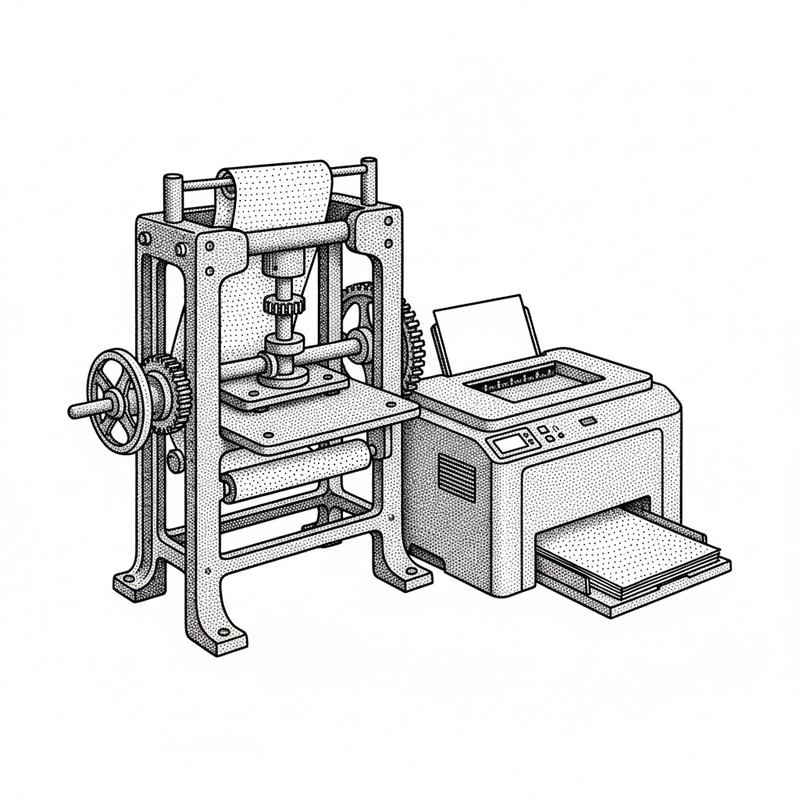
The Official N-Word Pass is not a generator. It is a trademarked brand that produces physical products, publishes editorial content, and maintains a consistent satirical voice across all platforms.
When we evaluate a public figure, we spend time researching their history, analyzing their cultural contributions and controversies, and constructing an argument that weighs evidence on both sides. The result is a piece of content that functions simultaneously as entertainment, commentary, and cultural criticism.
When we produce a physical pass, it is a manufactured product with design specifications, material quality, and packaging. It is not a JPEG generated in a browser. It is an object that exists in physical space and prompts physical reactions from the people who encounter it.
The difference is not just quality. It is intent. Generators exist to produce passes. We exist to produce conversations. The pass is a vehicle for the conversation, not the destination.
The Verdict on Generators
Our official position on N-Word Pass generators is straightforward: they are not legitimate, they are not affiliated with us, and they do not produce anything that carries cultural, legal, or satirical weight.
If you have used one, you now own an image file. That image file does not grant you permission to say the N-word. It does not represent the trust of any Black person or community. It does not carry a trademark. It is a picture someone’s code generated based on your text input.
If you want the real thing (the physical card, the cultural commentary, the evaluated framework), you know where to find us. The shop restocks periodically. The evaluations publish regularly. The FAQ answers your remaining questions.
And if you want actual cultural permission to navigate sensitive language in multiracial spaces, no generator or product can provide that. That kind of permission is earned through years of genuine relationship-building, accountability, and demonstrated respect. It does not have a URL. It does not have a download button. And it certainly does not have a text field where you type your name.
Conclusion
The search for an N-Word Pass generator reflects a broader cultural impulse: the desire to automate trust, to convert complex social dynamics into simple digital transactions, to click a button and receive permission. The internet has trained its users to expect that everything can be generated, downloaded, and consumed on demand.
Some things resist that logic. The N-Word Pass points back to something that cannot be automated: the trust between people who see each other fully, respect each other genuinely, and navigate the complications of race and language with care rather than convenience.
Generators cannot produce that. The Board’s position on the matter is final. No generator can bridge the gap between a JPEG and a relationship.