The Question Everyone Asks
It arrives in our inbox seventeen times a day. It populates search bars with the nervous energy of someone Googling symptoms at 2 a.m. It echoes across group chats, comment sections, and late-night dorm debates from Austin to Auckland: Is the N-Word Pass real?
The short answer is yes. The longer answer requires the Board to define what “real” means, trace the concept from early internet humor to a trademarked institution, and acknowledge the layered cultural history that makes the question worth asking in the first place. The Official N-Word Pass organization has prepared the following briefing.
Defining “Real” in the Context of the N-Word Pass
Words like “real” do heavy lifting. A dollar bill is real because institutions agree it holds value. A marriage is real because a government stamps it. A meme is real because millions of people recognize it and participate in its cultural circulation. By each of those standards, the N-Word Pass qualifies.
The concept started as informal folklore. In the late 1990s and early 2000s, hip-hop message boards and real-life friend groups used the phrase to describe an unspoken social agreement: if a non-Black person had earned enough trust, closeness, and cultural fluency within a Black community, that person might receive a verbal hall pass, a tacit green light to use a word otherwise off-limits. Nobody printed a certificate. Nobody filed a patent. The pass existed in the space between a knowing nod and a raised eyebrow.
Then the internet did what it always does. It turned an inside joke into a global phenomenon. The “N-Word Pass” became a meme template, a punchline, a debate topic, and eventually a search query with real monthly volume. People genuinely wanted to know: Does such a thing exist? Can you actually get one? Who gives them out?
Our project, The Official N-Word Pass, answers those questions by making the invisible visible. We took the folklore, registered the trademark, and built a satirical enterprise around it. The pass is real in the same way that any cultural artifact becomes real when enough people engage with it, argue about it, and assign it meaning.
The Origin Story: From Forum Joke to Cultural Artifact
To understand how we got here, rewind to the internet of the early 2000s. Napster was dying, MySpace was thriving, and message boards operated as the town squares of digital culture. On forums dedicated to hip-hop, users debated everything from Nas versus Jay-Z to whether their white friend Kyle could rap along to DMX without skipping certain words.
The phrase “N-Word Pass” emerged from those debates organically. It was shorthand for a complicated social negotiation. Users would post hypothetical scenarios: “If Eminem battled in the Shelter and won, does he get a pass?” or “My boy Jake has been coming to the cookout for six years, does he qualify?” The humor masked genuine questions about belonging, trust, and the boundaries of language.
By the mid-2010s, meme culture had fully absorbed the concept. Image macros showed characters from popular media holding laminated cards. The Willy Wonka golden ticket version went viral. Mock-official certificates circulated on Reddit, Twitter, and Instagram. Some were crude. Some were clever. All of them confirmed that the N-Word Pass had transcended its origins and become a recognizable piece of internet vocabulary.
Our organization observed this cultural moment and asked a question that nobody else seemed willing to formalize: What if someone actually built the bureaucracy? What if the satirical pass had an official body, a trademark, a website, and a review process? The absurdity was the point. By treating a meme with the gravity of a government agency, we hold a mirror up to how society commercializes identity, packages taboos, and trades in cultural access.
If you want the full timeline, our History of the N-Word Pass article walks through every era in detail.
What the N-Word Pass Is
Let us be precise, because precision matters when you are the trademarked authority on a concept this culturally loaded.
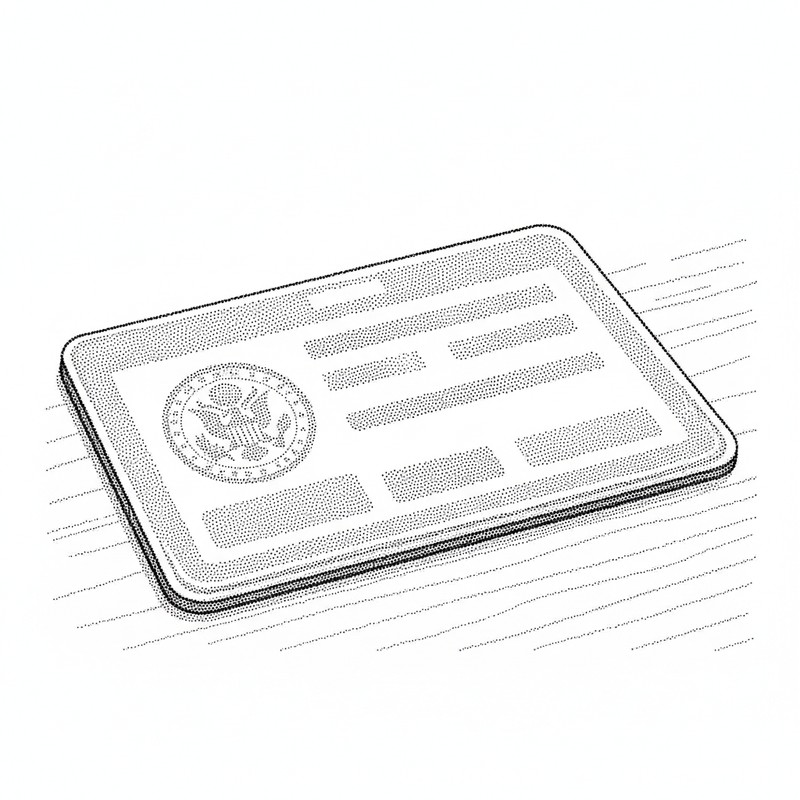
The Official N-Word Pass is a satirical art project and social commentary platform. It exists as a registered trademark, a physical product (a polished metal card), a website, and a body of editorial content that evaluates public figures through the lens of cultural trust, contribution, and community respect.
The pass functions as performance art. When we “evaluate” whether Eminem or any other public figure qualifies, we are not issuing a literal license to use a racial slur. We are using the framework of evaluation, the bureaucratic theater of applications and verdicts, to spark conversation about who gets access to Black cultural spaces, why, and on what terms.
The physical card itself is a collector’s item and conversation starter. It sits in the tradition of provocative art objects that force uncomfortable questions. When someone sees a polished metal N-Word Pass, they react. That reaction, whether laughter, discomfort, curiosity, or outrage, is the art working exactly as intended.
What the N-Word Pass Is Not
Clarity demands that we also state what the pass is not.
It is not a literal permission slip. Owning a physical card does not grant anyone social immunity for using racial language. No object can do that. Language exists within relationships, and relationships operate on trust, not laminated credentials.
It is not an endorsement of casual slur usage. Our project interrogates the commodification of racial language. We do not encourage people to walk into spaces where they are not welcome and wave a metal card like a diplomatic passport.
It is not a joke without substance. Satire that lacks a point is just noise. Every evaluation we publish, every piece of content on this site, engages with real questions about cultural exchange, appropriation, gatekeeping, and belonging. The humor is the delivery mechanism. The substance lives underneath.
It is not a replacement for genuine human connection. The original “pass” was always about trust between individuals. A Black person telling a close friend “you’re family” carries weight that no trademark can replicate. Our project acknowledges that reality while exploring what happens when capitalism tries to bottle it.
The Trademark Question
People often ask whether you can really trademark something like this. The answer is yes, and the United States Patent and Trademark Office agreed. The Official N-Word Pass holds a registered trademark, which means the concept has legal standing as a brand identity.
This matters because it elevates the project from random internet joke to recognized intellectual property. It also adds another layer of satire. The fact that a government office processed paperwork for an “N-Word Pass” is itself a commentary on what institutions will sanction when the forms are filled out correctly. Bureaucracy does not discriminate. It just stamps.
Why People Search “Is the N-Word Pass Real?”
Search intent reveals psychology. When someone types this query, they are usually motivated by one of three things.
First, genuine curiosity. They have seen the meme, encountered the concept in a group chat or comment section, and want to know if there is an actual organization behind it. The answer: yes, you found us.
Second, cultural research. Students, journalists, and content creators investigating meme history or racial discourse stumble on the concept and want to understand its legitimacy and context. We welcome that research and encourage reading our about page for the full mission statement.
Third, social navigation. Someone is trying to figure out the “rules” around a word that carries enormous cultural weight. They want to know if a pass exists because they are genuinely unsure how language, race, and social permission intersect. This is the most human motivation, and it deserves a thoughtful response rather than dismissal.
For all three groups, the answer is the same: the N-Word Pass is as real as you need it to be. It exists as a cultural concept, a meme, a trademark, a product, and a body of commentary. What it means to you depends on what you bring to the conversation.
The Cultural Weight Behind the Question
The reason this question resonates is because it touches on something deeper than memes. The N-word itself carries centuries of history, from its use as a tool of dehumanization during slavery to its reclamation within Black communities as a term of camaraderie, defiance, and identity. That history does not evaporate because the internet turned permission into a punchline.
When someone asks “Is the N-Word Pass real?” they are also asking: Who decides who belongs? Can trust be formalized? Can cultural access be earned, and if so, how? These are questions that predate the internet by centuries. They echo through debates about cultural appropriation, through arguments about who gets to make what art, through the ongoing negotiation between Black communities and the broader world about ownership, respect, and reciprocity.
Our project does not pretend to answer all of those questions. But by creating a framework, however satirical, we give people a vocabulary and a reference point for discussions that might otherwise remain vague or uncomfortable.
How Other People Have Answered This Question
The internet is full of takes. YouTubers have filmed reaction videos to our products. Reddit threads dissect the concept with the intensity of constitutional scholars. Twitter (or whatever it is called this week) cycles through hot takes every few months when a celebrity does something that sparks a “does this person have a pass?” debate.
Academic papers have cited the N-Word Pass meme as an example of racial humor negotiation in digital spaces. Sociologists point to it as a case study in how marginalized communities use humor to process and control narratives about their own oppression. Comedy podcasts reference it as a benchmark for where the line sits between satire and offense.
All of these responses confirm one thing: the concept is real enough to generate sustained cultural engagement across platforms, demographics, and disciplines. You do not write academic papers about things that do not exist.
Our Official Position
As the trademarked authority on the matter, here is our official position, stated plainly.
The N-Word Pass is real. It began as informal social folklore, evolved into a globally recognized meme, and has been formalized by this organization into a trademarked institution. The physical pass exists. The evaluations exist. The cultural conversation it generates is ongoing and substantive.
Whether the pass “works” in the way some people hope, as a literal license to use a word, is a different question. No card, no meme, no trademark grants social permission that can only come from human relationships built on mutual respect and trust.
The N-Word Pass as a concept, a cultural artifact, a registered enterprise, and a lens for examining race, language, and commerce in the modern world is as real as any institution that people engage with, argue about, and assign meaning to.
Where to Go From Here
If you landed on this page because you were curious, welcome. Explore the site. Read our about page for the full backstory. Browse our celebrity evaluations to see how the review process works. Check out the history of the N-Word Pass for a deep dive into the timeline. And if you want to understand the meme that started it all, our N-Word Pass meme history article covers every major iteration.
The question is real. The pass is real. The conversation is just getting started.