What Is the Golden N-Word Pass?
Somewhere in the vast meme landscape, nestled between Pepe the Frog and the Distracted Boyfriend, lives a concept that merges Roald Dahl with racial linguistics: the Golden N-Word Pass. It is exactly what it sounds like. Take the golden ticket from Willy Wonka and the Chocolate Factory, replace the tour of a candy factory with unlimited access to a single word, and you have the meme that launched a thousand Photoshop projects.
The Golden N-Word Pass is the premium tier of the N-Word Pass concept. If the standard pass is a regular season ticket, the golden version is the lifetime VIP all-access backstage wristband that never expires. It represents the theoretical maximum of cultural trust, the idea that someone has so thoroughly earned the respect and acceptance of the Black community that their pass transcends limitations.
Nobody has ever actually received a Golden N-Word Pass. That is part of the joke. It is an asymptote, a limit that can be approached but never reached. And yet the internet treats it with the reverence of a religious artifact, discussing its properties, debating its qualifications, and producing elaborate visual representations of an object that exists only in collective imagination.
The Willy Wonka Connection
To understand the Golden N-Word Pass, you need to understand the source material. Roald Dahl’s 1964 novel Charlie and the Chocolate Factory introduced the golden ticket: five shimmering passes hidden inside Wonka chocolate bars, each one granting the finder a tour of the mysterious factory and a lifetime supply of chocolate.
The 1971 film adaptation, starring Gene Wilder, cemented the golden ticket in popular culture. The scene where Charlie unwraps his chocolate bar and finds the glinting gold paper underneath is one of cinema’s most iconic moments of wish fulfillment. The golden ticket became shorthand for any rare, coveted, life-changing opportunity. “That job offer was my golden ticket.” “Getting into that school was a golden ticket.”
Meme culture, with its gift for remixing cultural icons into new contexts, mapped the golden ticket onto the N-Word Pass sometime around 2008 to 2010. The first widely circulated versions were straightforward Photoshop edits: the Wonka ticket design with “N-WORD PASS” replacing the original text. Some kept the fine print about the factory tour. Others added custom terms and conditions. The best versions included Gene Wilder’s face, his enigmatic half-smile suggesting he knew exactly what he was authorizing.
The connection worked because the golden ticket carries specific connotations that align perfectly with how people talk about the N-Word Pass. Rarity: only five tickets existed in the original story. Luck and merit combined: Charlie found his ticket through persistence and good fortune. Transformative access: the ticket opened a door to a world most people could only dream about.
By grafting those connotations onto the N-Word Pass, the meme elevated the concept from a casual social agreement to something mythic. Finding the Golden N-Word Pass was not just earning trust. It was winning a cosmic lottery.
The Visual Evolution
The Golden N-Word Pass meme has gone through several visual phases, each reflecting the tools and aesthetics of its era.
Phase One: The Photoshop Era (2008 to 2013)
Early versions were relatively faithful to the Wonka source material. Creators used the actual golden ticket design from the 1971 film as a template, editing text with varying degrees of skill. Some looked polished enough to frame. Others had Comic Sans font and visible JPEG artifacts, which, in meme culture, often enhances rather than diminishes the humor.
The Photoshop era established the canonical visual: gold background, ornate border, official-looking text, and some reference to Wonka or chocolate. These images circulated primarily on Reddit, 4chan, and early meme aggregator sites like FunnyJunk and 9GAG.
Phase Two: The Custom Design Era (2014 to 2018)
As meme culture matured, creators began moving away from direct Wonka replicas and designing original golden pass concepts. These versions kept the gold color scheme and premium aesthetic but introduced new elements: holographic seals, embossed lettering, serial numbers, and QR codes that linked to Rick Rolls.
This era also produced 3D renders of golden passes. Using Blender and other modeling software, creators designed metal cards, coins, and even trophies representing the Golden N-Word Pass. The production values signaled that people were investing real time and skill into the concept, a sure sign that a meme has transcended casual humor.
Phase Three: The Video Era (2019 to Present)
TikTok and YouTube brought the Golden N-Word Pass into motion. Short films depicted quests to find the golden pass, structured like adventure movies or RPG video game narratives. One popular format showed a character completing increasingly absurd trials (cooking perfect collard greens, surviving a spades tournament, correctly identifying every member of Wu-Tang Clan) before being awarded the golden pass in a ceremony that parodied awards shows and coronations simultaneously.
Animation channels on YouTube produced elaborate golden pass lore videos, establishing fictional histories and power hierarchies. In one popular series, the Golden N-Word Pass grants its holder the ability to say the word in any dimension, timeline, or fictional universe. The escalation was intentional and ridiculous, pushing the concept past satire into full mythology.
The Hierarchy of Passes
The Golden N-Word Pass did not exist in a vacuum. Its introduction implied a tiered system, and the internet, never one to leave a hierarchy unexplored, filled in the ranks.
The Standard Pass. The baseline. Earned through genuine trust and cultural engagement. Subject to expiration and revocation. Most people who theoretically hold a pass hold this version.
The Silver Pass. An intermediate tier that appears in some meme canons but not others. Grants broader access than the standard pass but still carries restrictions. Often depicted as having a “no hard R” clause.
The Gold Pass. The premium tier. No expiration. No geographic limitations. Minimal restrictions. Earned through extraordinary contributions to or engagement with Black culture over a sustained period.
The Platinum Pass. A tier that some meme creators added beyond gold, following the music industry’s certification system (gold, platinum, diamond). The platinum pass is sometimes depicted as granting the ability to bestow standard passes upon others, creating a franchise model.
The Diamond Pass. The theoretical maximum. Only jokingly attributed to figures like Eminem, who have spent decades embedded in hip-hop culture. The diamond pass is less a credential and more a state of being.
The Infinity Pass. A crossover with Marvel memes, representing cosmic-level access. See the meme history article for more on this format.
Not all meme communities recognize every tier. The hierarchy varies by platform, community, and the creator’s mood. But the golden tier remains the most widely acknowledged and frequently referenced, largely because of its connection to the universally recognized Wonka source material.
Cultural Significance of the Golden Pass
Beyond the memes, the Golden N-Word Pass concept reveals something interesting about how people think about cultural access and trust.
The standard N-Word Pass, as a concept, mirrors real social dynamics. Trust is earned incrementally, maintained through ongoing behavior, and can be lost. The golden pass, by contrast, represents an idealized form of trust that does not quite exist in real life. Nobody’s cultural credibility is permanent and unconditional. Even people who have spent their entire lives within Black communities navigate language and identity in contextual, situational ways.
The golden pass, then, is aspirational fiction. It imagines a world where cultural trust can be fully and finally earned, where the work of building cross-cultural relationships reaches a finish line. In reality, those relationships are perpetual works in progress. There is no summit. There is only the ongoing climb.
This gap between the golden pass’s fictional permanence and the real world’s perpetual negotiation is what makes the meme resonate. People want the golden ticket because the alternative, continuous effort with no guaranteed endpoint, is harder and less satisfying. The meme lets people fantasize about a simpler version of a complicated process.
Famous “Golden Pass Holders” (According to the Internet)
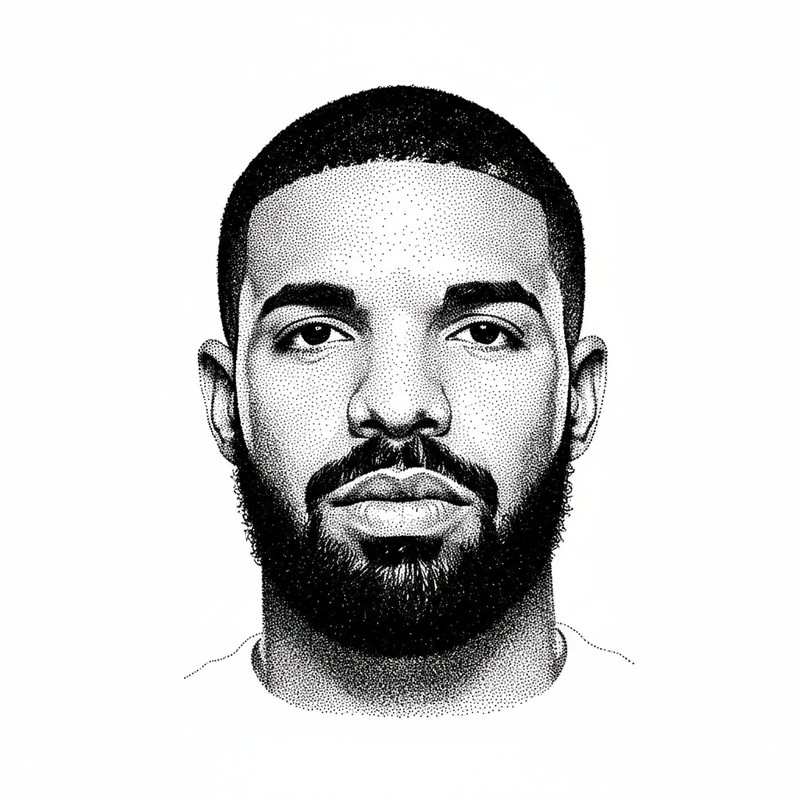
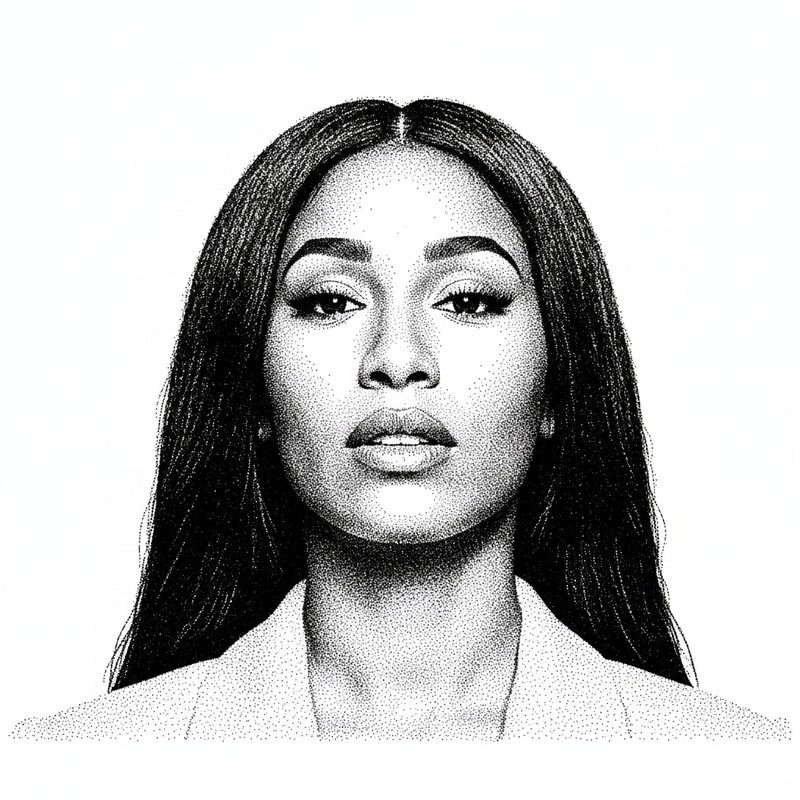
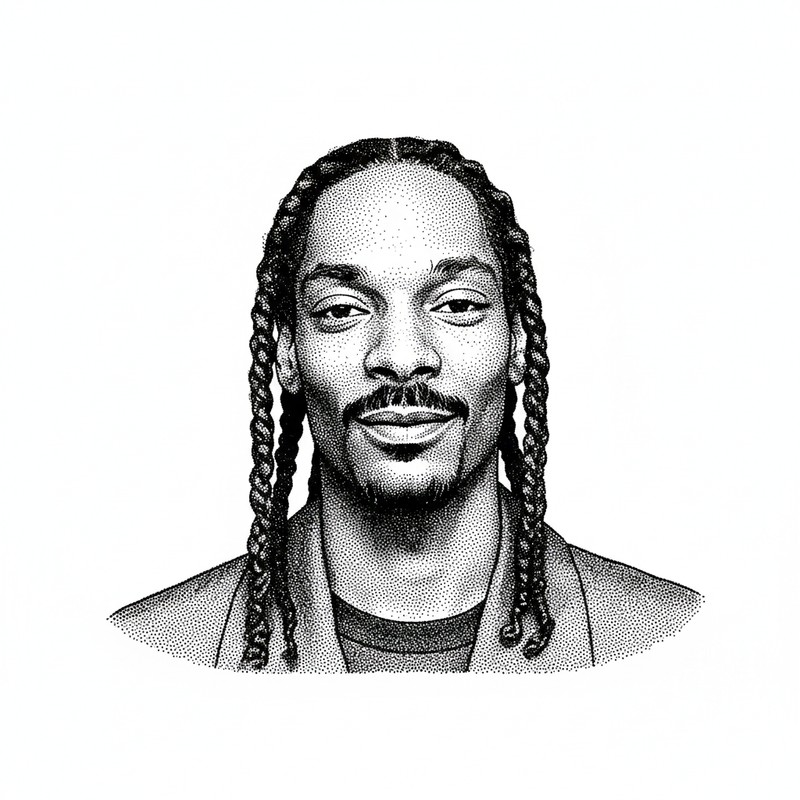
The internet has, over the years, nominated various public figures as hypothetical Golden N-Word Pass holders. These nominations are informal, contested, and entirely based on communal perception, but they reveal who the culture considers most deeply embedded.
Eminem tops most lists. Three decades in hip-hop, a Dr. Dre co-sign, Detroit battle credentials, and consistent respect for the genre’s Black origins make him the default example when people describe what golden pass qualifications look like. We cover his case in full in his dedicated evaluation.
Bill Clinton appears on some lists, a reflection of Toni Morrison’s famous description of him as “the first Black president” and his office location in Harlem. The nomination is more cultural commentary than serious assessment.
Justin Bieber was briefly nominated during his early career, when collaborations with Black artists and close friendships with figures like Usher and Lil Wayne suggested deep cultural immersion. Subsequent controversies cooled the nomination considerably.
The Rock (Dwayne Johnson) generates debate because his Black and Samoan heritage complicates the framework. The pass system is designed for non-Black individuals, making Johnson a borderline case that exposes the limits of any categorical system applied to multiracial identity.
These nominations are not official. Our editorial team evaluates public figures through a structured process, not a popularity contest. But the informal nominations reveal how the culture thinks about trust, proximity, and earned access.
Our Official Position on the Golden Pass
As the trademarked authority on N-Word Pass matters, we are occasionally asked whether we offer a Golden N-Word Pass as a product. The question is understandable. If you are going to formalize the standard pass, why not formalize the premium tier?
Our position is that the golden pass is best left as mythology.
The standard Official N-Word Pass serves its satirical purpose by existing as a tangible object that provokes thought and conversation. Making it available in a gold variant would imply that cultural trust can be upgraded through purchasing power, which runs counter to the entire point of the project. Trust is not a commodity. It does not come in tiers determined by your willingness to pay a premium.
That said, we appreciate the golden pass as a meme. It is clever, visually striking, and culturally resonant. We reference it in our content and acknowledge its place in the broader N-Word Pass universe. We simply choose not to commodify it further.
If the day comes when we release a golden edition, it will be because the satirical commentary demands it, not because the product roadmap does.
The Golden Pass in Academic and Cultural Discourse
The Golden N-Word Pass has attracted attention beyond meme pages. Media studies scholars have cited it as an example of “aspirational meme culture,” the creation of fictional ideals that reflect real desires. The golden pass, in this reading, represents a desire for racial harmony so complete that even language barriers dissolve.
Communication researchers have examined how the tiered pass system mirrors real-world hierarchies of cultural competence. Just as there are levels of fluency in a foreign language (basic, conversational, professional, native), the pass tiers suggest levels of cultural fluency that determine access and acceptance.
Cultural critics have noted that the golden pass fantasy, where one earns permanent unconditional access, erases the labor that Black communities invest in maintaining cultural boundaries. The boundaries exist for reasons rooted in historical trauma and ongoing social dynamics. Fantasizing about bypassing them, even humorously, can minimize the significance of those reasons.
These readings do not invalidate the meme. They enrich it. The Golden N-Word Pass is funny precisely because it sits at the intersection of genuine desire, historical weight, and absurdist humor. It can be all of those things at once.
How the Golden Pass Connects to the Broader Project
The Golden N-Word Pass is one node in a larger constellation of memes, products, and conversations that make up the N-Word Pass universe. Understanding it helps contextualize everything else we do.
Our standard pass is, in meme terms, the “regular” tier. It exists. It is real. You can hold it. But the golden pass hovers above it as a reminder that the concept has layers, that the internet has built an entire mythology around the idea of cultural access, and that mythology tells us something true about how people navigate race, trust, and belonging in the modern world.
For the full meme history, including every major format from the laminated card to the Infinity Pass, read our complete meme guide. For the question that brings most people here in the first place, is the N-Word Pass real, we have a thorough answer. And for the full timeline of how a forum joke became a trademarked institution, our history article covers every era.
The golden pass may be fictional. The conversation it generates is not.