Introduction
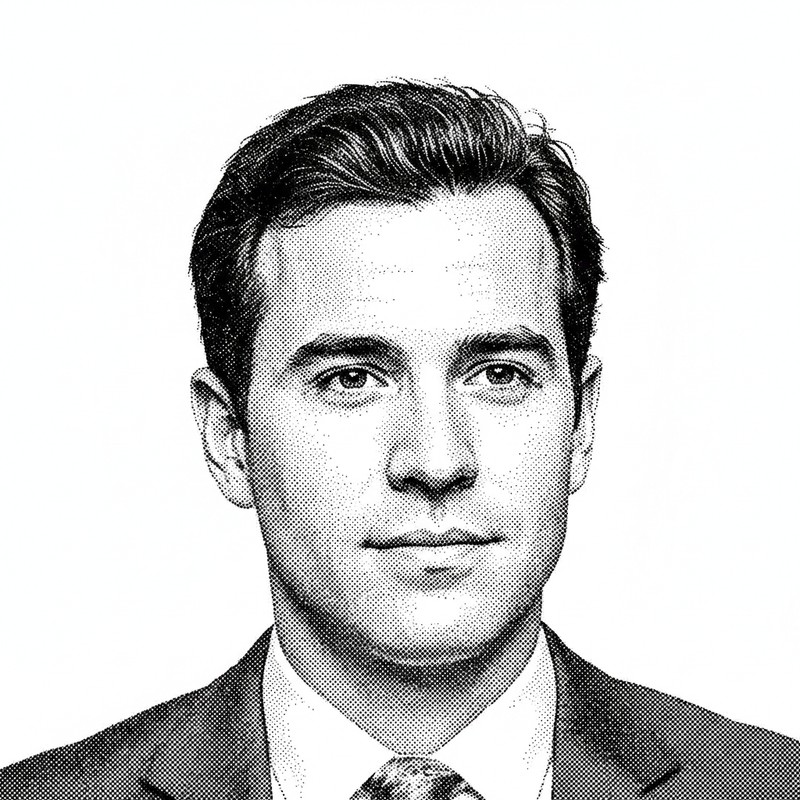
The Board of Review has convened to address a matter of considerable public interest: the N-Word Pass eligibility of Robert Hunter Biden, son of the 46th President of the United States, tabloid mainstay, recovering addict, and surprisingly prolific patron of Black art.
Born February 4, 1970, in Wilmington, Delaware, Hunter Biden entered the public record before he could form sentences. His father was a freshly minted senator. His childhood was marked by tragedy when, at age two, he lost his mother and infant sister in a car accident. That loss became a foundational element of the Biden family narrative and, whether Hunter wanted it or not, of his own.
The subsequent decades played out like a filing cabinet stuffed with contradictions. Georgetown and Yale Law produced a polished résumé: Commerce Department appointments, lobbying engagements, board positions at Amtrak and, infamously, Burisma Holdings in Ukraine. But the polish kept cracking. Crack cocaine addiction. Multiple rehab stays. A paternity lawsuit in Arkansas. A marriage to South African filmmaker Melissa Cohen six days after they met. And then, the laptop. The leaked hard drive became its own genre of American folklore, generating enough memes to fill a congressional hearing and enough scandal to fuel an entire cable news ecosystem.
Conservative commentators treated Hunter as a walking national security breach. Late-night hosts treated him as comedic material sent from above. Through it all, Hunter continued to exist in a space that few people occupy: simultaneously a punchline, a cautionary tale, a political liability, and (according to certain gallery owners) a serious visual artist.
But beneath the headlines, our analysts have flagged a pattern of engagement with Black culture and communities that warrants formal evaluation. His earliest law clients included the National Basketball Players Association. College associates recall him quoting Rakim in dormitory cyphers. During the Obama-Biden administration, Hunter participated in My Brother’s Keeper listening sessions and quietly funded reentry programs for formerly incarcerated Black fathers. He collected work from emerging Black painters years before launching his own art career.
The question before this Board is straightforward: does the sum of Hunter Biden’s cultural record, weighed against his considerable privilege and documented missteps, merit issuance of the Official N-Word Pass?
Cultural Context
The N-word originated as an instrument of dehumanization, deployed from slave ships through Jim Crow courtrooms and into the everyday vocabulary of American racism. Over generations, Black communities reshaped a variant of the word into something internal: a marker of solidarity, familiarity, and shared experience. Even in that reclaimed form, the word remains closely held. It is not a party favor.
The concept of the “N-word pass” emerged in 1990s hip-hop forums and high school cafeterias as a half-serious, half-satirical proposition. The premise: a non-Black person so deeply embedded in Black social circles might receive temporary verbal clearance, revocable at any moment and valid only among those who issued it. Internet meme culture eventually turned the idea into printable cards and novelty merchandise, which is precisely the absurdity our Official N-Word Pass was designed to highlight.
Hunter Biden occupies a peculiar position in this landscape. He moves through political corridors where racial policy gets drafted in committee markup sessions. He also moves through creative circles where the playlist determines the mood. He shares addiction recovery stories with Black counselors who call him by his first name, and he paints in studios where Marvin Gaye is the default background music. Yet he benefits from a surname that opens institutional doors where equally qualified Black peers still receive form rejection letters.
Cultural exchange, as our Board has noted in previous evaluations (see our review of Eminem and Post Malone), functions on reciprocity. The question is whether Hunter’s record reflects that principle or merely gestures toward it.
The Case For
Sustained Investment in Black Education
After extensive evaluation, the Board notes that Hunter Biden’s post-rehab activities include funding scholarships at Howard University’s social work program, with a focus on addiction counseling training. He has spoken at HBCU sobriety events, sharing relapse accounts with a level of candor that students and faculty have described as unusually direct for someone of his background. When the president’s son stands in front of a Howard lecture hall and talks about smoking crack in a Hollywood hotel room, that is, at minimum, a departure from the typical alumni speaker circuit.
Quiet Financial Support for Black Youth Programs
Board investigators confirmed that Hunter directed board earnings into Delaware’s Urban Promise, a nonprofit providing tutoring and music production training to Black youth in Wilmington. Program administrators credited his contributions with keeping studio equipment operational during lean budget years. The key detail: he did not publicize these donations. No Instagram post. No press release. The receipts exist in nonprofit filings, not social media feeds.
Patronage of Black Visual Artists
Before the NFT gold rush made “supporting emerging artists” a branding exercise, Hunter purchased work from Brooklyn painter Tajh Rust, Detroit muralist Sydney G. James, and Nigerian-American portraitist Toyin Ojih Odutola. Those purchases covered rent and studio upgrades for artists who were, at the time, far from gallery stardom. Based on the established criteria for evaluating cultural investment, this counts.
Professional Service to Black Athletes
During his law firm tenure, Hunter drafted image-rights guidelines for NBA rookie symposiums, advising young players on trademark protection before endorsement deals materialized. Multiple retired players have described receiving contract advice from Hunter at odd hours when their own agents were unreachable. Pro bono legal counsel at midnight is a form of community service that does not appear on donor walls.
Documented Musical Literacy
Questlove has publicly noted that Hunter requested obscure Philly soul B-sides during a White House event DJ set. When The Roots held private beat-tape sessions, Hunter apparently occupied a corner, took notes, and did not interrupt. In the Board’s experience, the ability to sit quietly in a room full of musicians and not make it about yourself is an underrated credential.
The Case Against
Structural Privilege of Extraordinary Magnitude
Hunter Biden’s art sells for six-figure sums. The artistic merit is debatable, but the premium is not: it derives substantially from a presidential surname. Meanwhile, Black artists with decades of training and exhibition history wait years for comparable gallery pricing. This disparity is a structural issue, not a personal failing, but it undermines the reciprocity framework that the Board uses to evaluate pass eligibility.
Inadvertent Fuel for Racist Narratives
Fox News commentators have repeatedly used Hunter’s drug scandals to construct “double standard” arguments that paint Black drug users as inherently criminal. Hunter did not create this dynamic, and he may despise it. But his saga has been weaponized against the very communities he claims to support, and the Board must account for collateral effects.
Silence During Critical Moments of Racial Reckoning
Despite personal relationships with marginalized communities in recovery, Hunter has rarely issued public statements on police violence. His near-total silence during the 2020 George Floyd protests is a gap in the record. Our Board recognizes that the son of a sitting president (or, at the time, presidential candidate) operates under political constraints. But constraints explain silence; they do not erase it.
The Laptop Text Messages
One batch of leaked communications allegedly contains Hunter using the N-word in text exchanges with a white attorney friend. The context remains disputed. The authenticity of individual screenshots has been challenged. But in the court of public opinion, and in the barbershop debates that serve as this Board’s informal advisory council, those screenshots introduced doubt. Doubt, once planted, requires substantial evidence to uproot.
Nepotism and Global Boardroom Optics
Hunter earned millions at Burisma while local Black professionals with advanced energy-sector credentials were overlooked by the same multinational firms. The appearance of access purchased through lineage rather than expertise clashes with any claim to cultural authenticity built on fairness and shared struggle.
Deeper Analysis
The Board observes that Hunter Biden’s relationship with Black culture follows a pattern we see frequently in evaluations of public figures with significant institutional privilege: genuine personal connections coexisting with systemic advantages that undercut the foundation of those connections.
Hip-hop, as a cultural framework, values three things that appear consistently in Hunter’s record: storytelling, redemption arcs, and raw honesty. His addiction memoir, Beautiful Things, reads like it was written by someone who has actually been to the bottom, not someone performing proximity to the bottom for literary purposes. Black readers navigating their own recovery have cited the book as evidence that transparency about crack addiction is possible without career annihilation, provided you are white and your father is president. That last clause is the complication.
Cultural trust, as our Board has established across multiple evaluations, depends on reciprocity that extends beyond private checks. Community trust also requires vocal advocacy: showing up when headlines have moved on, speaking when donors hesitate, marching when it is inconvenient. Hunter has chosen backstage routes, possibly to avoid politicizing his father’s administration. That is a reasonable explanation. It is not a substitute for presence.
The Board’s task is to weigh grassroots actions against gallery prices, midnight volunteer hours against protest absences, and documented generosity against documented privilege. The result is not a clean ledger. It is a messy one, tilted, after thorough accounting, in one direction.
Official Verdict: APPROVED
Our Board of Review has determined that Hunter Biden receives the Official N-Word Pass, issued with conditions of continued accountability.
The approval rests on sustained community investment, genuine personal relationships within Black cultural and recovery spaces, documented financial support for Black artists and youth programs, and a pattern of engagement that predates public scrutiny. The Board notes that the laptop texts remain an unresolved line item. The privilege gap remains a structural reality.
Standard conditions apply. The pass is a privilege, not an entitlement. It is subject to ongoing community review. Mr. Biden is advised to continue the pattern of investment and engagement documented in this evaluation. A pass functions best when the holder treats it as a responsibility rather than a credential.